Custom Closet Design for Mountain Homes
Smart Storage Solutions for Colorado Living
Coming home from a powder day up I-70 or a chilly hike in Maxwell Falls, you often stand in your entryway wondering where everything is supposed to go. You already understand the storage problems that come with mountain living. Ski boots don’t fit neatly on a shelf. Your puffy jackets can easily fill the entire width of a closet by themselves. Base layers add up. And that’s just your stuff! When you add a family’s gear, the chaos grows fast.
Mountain homes need to be built for a different kind of life than what some generic closet system is designed around. Getting your storage right means designing around how you live. And that starts with understanding what Colorado mountain living demands.
You Gotta Put That Gear Somewhere
The most common complaint we hear from mountain homeowners is that there’s simply no good place for winter gear. Ski boots need ventilation to dry out and shouldn’t be stored on the carpet. You need to be able to get helmets, goggles, and poles without tearing everything else apart to find them. Layers need to be visible and easy to locate on short notice because nobody wants to dig through a pile of clothing so you can get out the door by 6AM.
At Mountaintop, we know how to put together a well-designed mudroom-to-closet flow that can really help with these problems. A space to transition from the outside to the inside works much better than a single place where you just dump all the layers you were wearing. A dedicated bench with boot storage underneath, hooks at multiple heights for jackets and backpacks, and a place to temporarily stash gear near the door keeps the chaos contained before it ever reaches your main closet. This makes it so your bedroom or hall closet can stay organized rather than having to double as equipment storage.
Older Cabins and Smaller Footprints
A lot of the homes in Evergreen, Conifer, and the surrounding communities were built decades ago when closets were often an afterthought. A single rod and a shelf were considered sufficient. For today’s mountain homeowners though, that’s not really enough.
The good news is that a custom closet system in Colorado can do a lot with a small footprint. Vertical space is almost always underutilized in older closets. Adding a second hanging rod, floor-to-ceiling shelving, and fitted drawer units can effectively double the usable storage in a closet that hasn’t been touched since it was built. The key is considering your actual wardrobe. If for example you wear mostly casual layers and outdoor wear, you don’t need a double-hang rod configuration designed for business suits. You would benefit more from deeper shelves for folded clothes, more hooks, and good drawer depth for base layers and accessories.
Built-In Drawers vs. Wire Shelving
Wire shelving is inexpensive, easy to find, and relatively simple to install yourself. But it has real limitations in mountain homes. Small items can fall through, folded clothes snag, or piles shift and fall over, and the coated wire can corrode over time in environments where damp gear and wet boots are a regular part of life.
Built-in drawer systems and solid shelving hold up better, look better, and are better for keeping small items organized. If you’re storing base layers, gloves, hats, and other accessories, drawers and adjustable shelving are the right call. In addition, adjustable shelving lets you reconfigure for seasonal use.
Seasonal Rotation Done Right
Mountain homeowners need to rotate wardrobes more deliberately than those in lower elevation climates. High elevation seasons are long and unpredictable. You might need a down jacket one day and a t-shirt the next in the middle of May! Building a closet around seasonal rotation means creating spaces for out-of-season gear, and keeping often needed items at eye level and within easy reach.
When you know you won’t need them for a bit, vacuum storage bags can work well for bulky items like heavy winter coats and sleeping bags. For less bulky items, a second closet rod at a higher level or dedicated upper shelving with labeled bins can keep off-season gear accessible without creating clutter in your primary space.
What Gets Missed
Lighting is often an unappreciated aspect of a closet remodel. A single ceiling fixture in a deep closet leaves corners and lower shelves in shadow. LED strip lighting along shelving edges or dedicated lights over drawers make a functional closet genuinely useful, especially in the dark mornings that come with cold mountain winters.
Another consistently overlooked factor is moisture. While Colorado mountain environments are dry overall, moisture and humidity from wet gear, damp boots, and outdoor clothing can be a real problem. Cedar shelving has natural moisture-wicking and odor-resistant properties that make it a great choice for closets where wet gear might be stored. Ventilation matters too; a closet that stays closed with damp gear inside can develop odors over time. Louvered doors or a small ventilation gap can help prevent that smell from happening.
A Closet That Works as Hard as You Do
Great custom closet systems aren’t just about luxury, they’re also about function. For mountain homeowners, that means a design that can hold your mountain gear, handle moisture, work within a smaller footprint, and makes the daily grab-and-go of an active outdoor lifestyle straightforward.
Mountaintop Bath and Kitchen designs and installs custom closets built around how Colorado mountain homeowners live. If your current storage isn’t stacking up, reach out for a free consultation! We’re local, we’re familiar with the homes in this area, and we can design a closet for you in Evergreen, CO and surrounding areas that fits your life.
continue reading
Related Posts
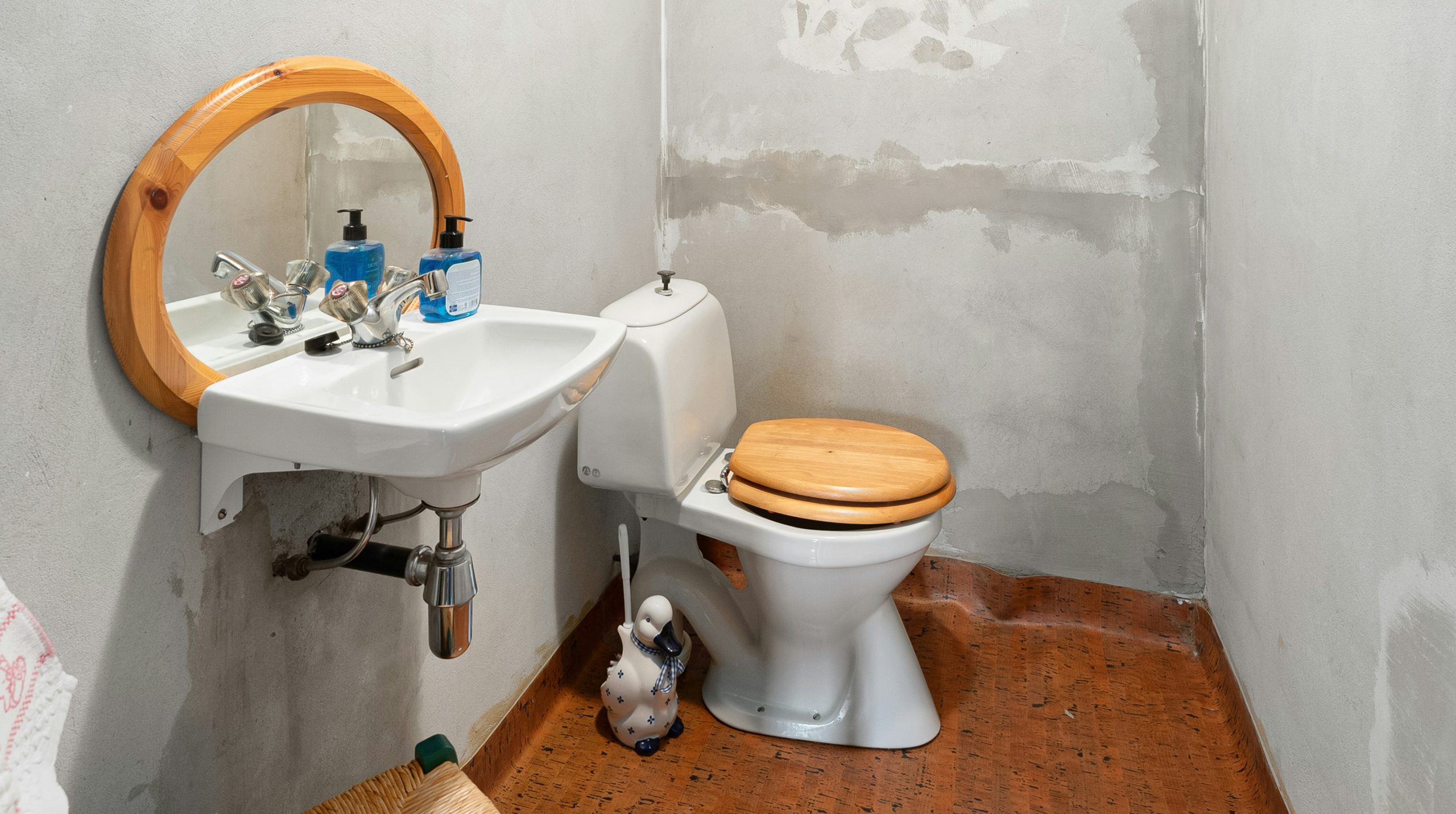
Avoid the most common bathroom remodeling mistakes and save yourself both money and hassle. Mountaintop Bath and Kitchen shares what goes wrong and how to protect your investment in Evergreen, Conifer, and the surrounding Colorado communities.
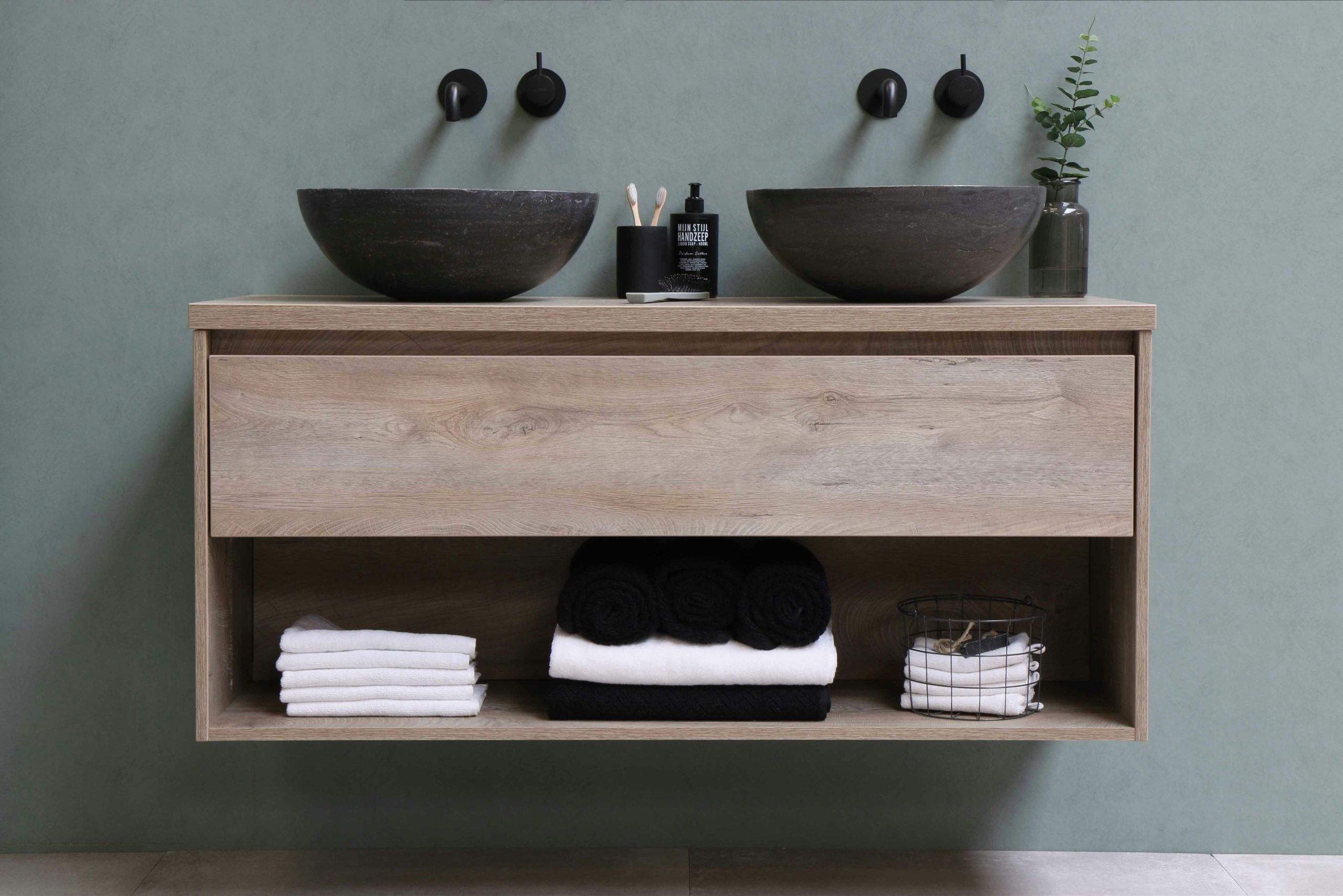
A small bathroom doesn't have to feel that way. Mountaintop Bath and Kitchen shares smart design ideas for cabins and mountain homes in Evergreen, Conifer, and the surrounding Colorado communities.

Tile or acrylic? Both are great options for a Colorado mountain bathroom remodel. Mountaintop Bath and Kitchen breaks down the strengths, tradeoffs, and which material makes the most sense for how you live.